
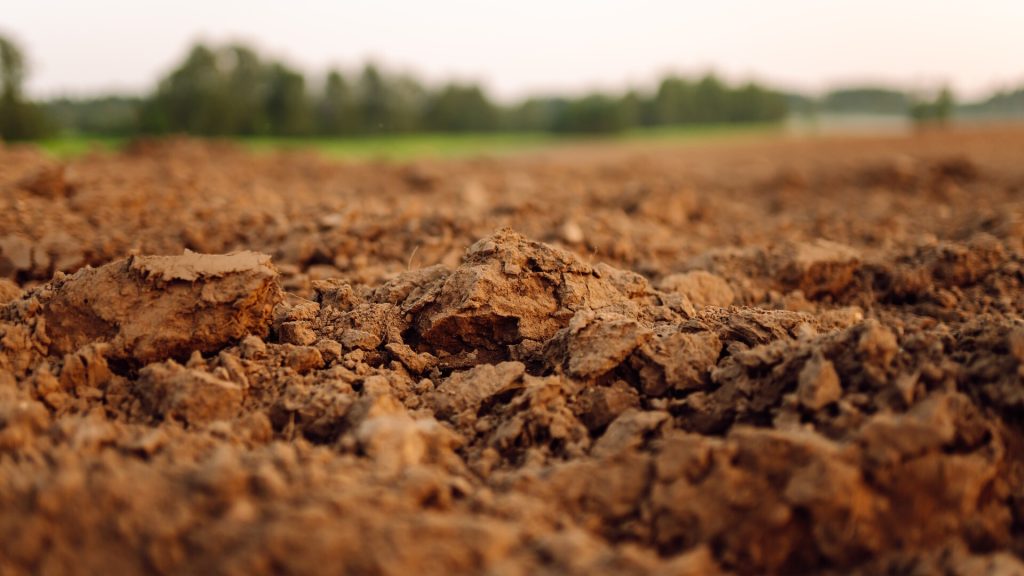
If you’re a homeowner in Macomb County, Michigan, you’ve likely heard neighbors discuss basement flooding issues or experienced water problems yourself. While Michigan’s climate plays a role in basement water intrusion, the primary culprit beneath many homes across communities like Warren, Sterling Heights, Clinton Township, and Fraser is something you can’t see but can certainly feel the effects of: clay soil.
Understanding why Macomb County’s clay-dominant soil makes your basement particularly vulnerable to flooding is the first step in protecting your home and your investment. Let’s explore the science behind this common problem and what you can do about it.
The Geology of Macomb County: A Clay-Heavy Foundation
Macomb County’s soil composition tells a story shaped by ancient glacial activity. Located in southeastern Michigan as part of the Detroit metropolitan area, the county sits on land that was dramatically transformed by glaciers during the Ice Age. These massive ice sheets left behind various soil deposits as they advanced and retreated across the landscape.
According to the USDA Soil Conservation Service’s soil survey of Macomb County, the lower portions of the county are characterized by predominantly clay soil with poor drainage characteristics. The northern sections of the county, particularly areas like Bruce Township and parts of Washington Township, have sandier, better-draining soils. However, the majority of Macomb County residents – especially those in the heavily populated southern and central areas – live on top of clay-dominant soil.
The Macomb soil series itself, which is prevalent throughout the region, is classified as “fine-loamy” with clay loam textures in the subsoil horizons. These soils are described as “somewhat poorly drained” with “moderately slow” permeability. In practical terms, this means water doesn’t move through the soil easily, creating perfect conditions for basement flooding.
What Makes Clay Soil So Problematic?
To understand why clay soil creates basement flooding risks, you need to understand the unique properties of clay particles themselves.
Microscopic Size, Maximum Problems
Clay particles are the smallest type of soil particle, measuring less than 0.002 millimeters in diameter. This microscopic size creates soil with very small pore spaces between particles. While sandy soil has large pores that allow water to drain quickly, clay’s tiny pores create a tight, dense structure that water struggles to penetrate and drain through.
Water Retention Champions
Clay soil’s small particle size and high surface area give it an exceptional ability to hold water. When clay gets wet, it can absorb and retain moisture for extended periods. This characteristic makes clay excellent for pottery and farming in some contexts, but terrible for basement foundations.
In Macomb County, where the area receives approximately 33 inches of rain annually and experiences significant snowmelt in spring, this water-holding capacity becomes a serious liability. The soil around your foundation essentially becomes a saturated sponge, with nowhere for the water to go except toward your basement.
The Expansion and Contraction Cycle
Perhaps the most damaging characteristic of clay soil is its expansive nature. Clay soil expands dramatically when it absorbs water – sometimes creating swelling forces of up to 5,000 pounds per square foot. This tremendous pressure pushes against basement walls, creating stress on the foundation structure.
When clay dries out, it contracts and shrinks, creating gaps and cracks in the soil. These cycles of expansion and contraction occur with every significant rain event and seasonal change. Over time, this constant movement can:
- Create and widen cracks in foundation walls
- Cause basement walls to bow or lean
- Damage waterproofing membranes
- Create pathways for water to reach the foundation
- Destabilize the soil supporting your home
In Michigan’s climate, with wet springs, dry summers, and freeze-thaw cycles in winter, clay soil undergoes these expansion-contraction cycles repeatedly throughout the year.
The Clay Bowl Effect: A Perfect Storm for Basement Flooding
Understanding the clay bowl effect is crucial for Macomb County homeowners. This phenomenon is particularly pronounced in areas with high clay content soil, and it’s a leading cause of basement water intrusion.
How Foundations Create a “Bowl”
When your home was built, contractors excavated a hole larger than the actual basement to allow space for construction. After the foundation walls and floor were completed, the space around the foundation was backfilled with the excavated soil.
Here’s where the problem begins: the backfilled soil is much looser and more porous than the undisturbed soil around it. This creates a “bowl” shape of more absorbent soil directly surrounding your foundation. In Macomb County’s clay-dominant areas, this bowl consists of loosened clay that readily absorbs water.
Water’s Path of Least Resistance
During rain events or snowmelt, water naturally follows the path of least resistance. The looser backfill soil around your foundation absorbs water much more readily than the hard-packed clay beyond it. This means water concentrates in the soil immediately adjacent to your basement walls – exactly where you don’t want it.
As this backfill bowl fills with water, several problems occur:
Hydrostatic Pressure: The weight and pressure of water-saturated soil pushes against your foundation walls. This hydrostatic pressure forces water through any available opening – cracks, joints between the wall and floor, or through the porous concrete itself.
Vertical Water Migration: In clay soil, because water can’t easily drain downward or laterally through the dense clay, it tends to move vertically along your foundation walls, seeking entry points into your basement.
Foundation Stress: The expanded, water-logged clay exerts tremendous lateral pressure on basement walls. Over time, this pressure can cause walls to crack, bow, or even fail structurally.
Macomb County’s Climate: Adding Fuel to the Fire
Michigan’s climate creates additional challenges for homeowners dealing with clay soil. Understanding these seasonal patterns helps explain why certain times of year are particularly problematic for basement flooding.
Spring: The Perfect Storm
Spring is the most challenging season for Macomb County basements. Several factors converge to create maximum flooding risk:
Snowmelt: Macomb County receives an average of 28-32 inches of snow annually. When temperatures rise in spring, this snow melts, releasing large volumes of water into the soil over a relatively short period.
Spring Rainfall: April and May are the wettest months in Macomb County. April averages 2.8 inches of rainfall spread over approximately 17.7 days, while May typically sees significant rain events as well. This means the soil is already saturated from snowmelt when spring rains arrive.
Frozen Ground: In early spring, the ground may still be partially frozen, preventing water from being absorbed normally. Water runs along the surface of frozen ground toward your foundation rather than being absorbed into the soil.
High Water Table: The combination of snowmelt and spring rain causes the water table to rise significantly. In many Macomb County locations, the water table can rise to within a few feet of the surface during spring.
Summer Storms
While summer is generally drier, Macomb County experiences occasional heavy thunderstorms that can drop significant rainfall in short periods. Clay soil’s slow permeability means it can’t absorb water quickly enough during these intense rain events, leading to surface water pooling around foundations.
Fall and Winter Freeze-Thaw
Michigan’s freeze-thaw cycles create additional stress on foundations surrounded by clay soil. When water in clay soil freezes, it expands. This expansion exerts additional pressure on foundation walls. Repeated freeze-thaw cycles can widen existing cracks and create new ones.
How Clay Soil Leads to Basement Flooding: The Mechanisms
Understanding the specific ways clay soil causes basement water intrusion helps you recognize warning signs and take preventive action.
Foundation Wall Cracks
The pressure from expanding clay soil creates stress on foundation walls. Over time, this stress manifests as cracks. These cracks may start small – hairline cracks you barely notice – but clay’s expansion-contraction cycles cause them to widen over time.
Water under hydrostatic pressure readily exploits these cracks. Even small cracks can allow significant water infiltration during heavy rain or snowmelt events.
Floor-Wall Joint Seepage
The joint where your basement floor meets the walls is a common entry point for water. This “cove joint” is particularly vulnerable because it’s difficult to seal completely during construction and because it experiences stress from both vertical and lateral forces in clay soil.
Water in saturated clay soil around your foundation finds this joint and seeps through, often appearing as water along the base of basement walls or pooling on the floor near walls.
Porous Concrete Penetration
Concrete itself is porous. Under normal conditions with good drainage, this isn’t a problem. However, when concrete is constantly exposed to water-saturated clay soil under pressure, water can actually penetrate through the concrete itself.
You might notice this as dampness on walls, efflorescence (white mineral deposits on concrete surfaces), or a musty smell even when you don’t see active water intrusion.
Overwhelmed Drainage Systems
Many Macomb County homes rely on sump pumps to manage groundwater. In clay soil, the sump pit collects water from the area around your foundation. However, during heavy rain or snowmelt, the volume of water trying to enter your basement can overwhelm even properly functioning sump pumps.
Additionally, clay soil can clog drainage systems. The fine clay particles can migrate into perforated drain tiles or French drains, reducing their effectiveness over time.
Sump Pump Dependency: Macomb County’s Critical Defense
For homes in Macomb County’s clay-dominant areas, sump pumps aren’t optional – they’re essential. Most homes with basements or crawl spaces in the county require sump pump systems to manage groundwater and prevent flooding.
How Sump Pumps Work in Clay Soil
A sump pump is installed in a pit (the sump basin) at the lowest point of your basement. The pit collects water from around your foundation, often through a system of perforated pipes. When water in the pit reaches a certain level, the pump activates and forces water out through a discharge pipe, usually into a municipal storm drain or away from your foundation.
In clay soil areas, the sump pit essentially serves as a barometer for the groundwater level around your home. As the water table rises due to rain or snowmelt, water in the pit rises proportionally, triggering the pump.
The Critical Importance of Backup Systems
Power outages during storms are common in Michigan. Unfortunately, the storms that cause power outages are often the same storms that create the greatest flood risk. Without power, your sump pump can’t operate, leaving your basement vulnerable to flooding.
For Macomb County homeowners, a backup sump pump system is critical protection. Options include:
- Battery Backup Pumps: These automatically activate when the primary pump fails or loses power
- Water-Powered Backup Pumps: These use municipal water pressure to remove water (not suitable for homes with well water)
Professional waterproofing companies consistently recommend backup systems for Macomb County homes, particularly those in the clay-dominant southern portions of the county.
Common Sump Pump Failures
Sump pump failures are a leading cause of basement flooding in Macomb County. Common failure modes include:
- Power outages during storms
- Pump overload from undersized pumps unable to keep up with water volume
- Clogged discharge pipes from debris, ice, or clay soil
- Float switch malfunctions that prevent the pump from activating
- Worn-out pumps (typical lifespan is 7-10 years)
Regular maintenance and inspection of sump pump systems is essential, particularly before spring when flooding risk is highest.
Regional Variations Within Macomb County
Not all Macomb County communities face identical flood risks. Understanding local variations helps you assess your specific situation.
High-Risk Areas
The southern and central portions of Macomb County, including communities like:
- Warren
- Sterling Heights
- Fraser
- Roseville
- Eastpointe
- Clinton Township
- Mount Clemens
- Macomb Township (southern portions)
These areas typically have clay-dominant soil with poor drainage. Residents in these communities commonly report basement water issues and rely heavily on sump pump systems.
Better-Draining Areas
The northern portions of the county, particularly:
- Bruce Township
- Northern Washington Township
These areas tend to have sandier, better-draining soils. While not immune to basement flooding, these areas face lower risk compared to the clay-heavy southern county.
Warning Signs Your Clay Soil is Threatening Your Basement
Recognizing early warning signs allows you to address problems before they become severe:
Inside Your Home
- Musty odors in the basement, even without visible water
- Efflorescence – white, chalky mineral deposits on foundation walls
- Damp or humid basement air, especially after rain
- Staining on walls or floors indicating previous water intrusion
- Mold or mildew growth in basement areas
- Peeling paint or deteriorating finishes on basement walls
- Warped or damaged flooring in finished basements
On Your Walls
- Hairline cracks in foundation walls (may widen over time)
- Horizontal cracks (particularly concerning as they indicate serious pressure)
- Bowing or leaning walls (urgent structural issue)
- Stair-step cracks in block foundation walls
- Vertical cracks at wall corners or near windows
Outside Your Home
- Water pooling near the foundation after rain
- Soil pulling away from the foundation (indicates clay shrinkage)
- Cracks in exterior foundation walls
- Improperly sloped grading directing water toward your home
- Clogged or inadequate gutters and downspouts
- Downspouts discharging too close to the foundation
With Your Sump Pump
- Sump pump running constantly (may indicate it’s overwhelmed or malfunctioning)
- Strange noises from the pump
- Water in the pit rising to the top before the pump activates
- Pump not activating when water is present
- Frequent cycling on and off
Protecting Your Macomb County Home: Solutions and Prevention
While you can’t change Macomb County’s clay soil, you can take steps to protect your basement from flooding.
Exterior Solutions
Proper Grading: Your yard should slope away from your foundation at a rate of at least one inch per foot for the first 10 feet. This ensures surface water flows away from your home rather than toward it.
Gutter and Downspout Management:
- Keep gutters clean and free of debris
- Ensure downspouts extend at least 10-15 feet from your foundation
- Consider installing underground drainage extensions for downspouts
- Upgrade to 6-inch gutters if you frequently experience overflow
Exterior Drainage Systems:
- French drains to capture and redirect water away from the foundation
- Proper backfill during construction (if building new or adding on)
- Landscape drainage to prevent water accumulation
Interior Solutions
Sump Pump Systems:
- Professional installation sized appropriately for your home
- Regular maintenance and testing
- Battery backup or water-powered backup system
- Annual inspection before spring
Interior Drainage:
- Interior perimeter drain systems (sometimes called “BasementGutter” systems)
- These capture water at the floor-wall joint before it enters the basement
- Water is directed to the sump pump for removal
Waterproofing:
- Professional-grade waterproofing membranes on interior walls
- Crack injection to seal existing foundation cracks
- Vapor barriers to control moisture
Foundation Repairs
If clay soil has already damaged your foundation:
- Wall stabilization for bowing or leaning walls
- Crack repair using professional injection methods
- Wall reinforcement with carbon fiber straps or steel I-beams
Professional Assessment
Given the complexity of clay soil issues and the variety of potential solutions, professional assessment is valuable. A qualified waterproofing contractor can:
- Evaluate your specific soil conditions
- Assess current and potential damage
- Recommend appropriate solutions
- Ensure proper installation of drainage and waterproofing systems
The Cost of Inaction
Basement flooding isn’t just an inconvenience – it’s a threat to your home’s structural integrity and your family’s health. Water damage from clay soil-related flooding can lead to:
- Structural damage requiring expensive foundation repairs
- Mold growth creating health hazards and requiring professional remediation
- Destroyed belongings stored in the basement
- Reduced home value if water intrusion is ongoing
- Insurance complications (many policies have specific exclusions for water damage)
- Electrical hazards from water near electrical systems
The Federal Emergency Management Agency (FEMA) notes that mold can develop within 24-48 hours of water exposure. Acting quickly when water intrusion occurs – and better yet, preventing it in the first place – protects both your property and your health.
Living Successfully with Clay Soil in Macomb County
Thousands of Macomb County homeowners successfully maintain dry basements despite the challenges of clay soil. The key is understanding the unique characteristics of your property and implementing appropriate preventive measures.
Regular maintenance, proper drainage systems, reliable sump pump operation, and prompt attention to warning signs create multiple layers of defense against basement flooding. While clay soil presents challenges, these challenges are manageable with the right approach and professional support when needed.
Conclusion
Clay soil in Macomb County creates a perfect storm of conditions for basement flooding: poor drainage, water retention, expansion-contraction cycles, and the clay bowl effect all work together to threaten your basement with water intrusion. Combined with Michigan’s climate of heavy spring rains, significant snowmelt, and freeze-thaw cycles, these factors make basement waterproofing and flood prevention essential rather than optional.
Understanding why your basement is vulnerable is the first step. The second step is taking action to protect your home through proper drainage, sump pump systems, regular maintenance, and professional waterproofing solutions when needed.
If you’re experiencing basement water issues or want to prevent future problems, don’t wait until the next heavy rain or spring thaw. Professional assessment and appropriate preventive measures provide peace of mind and protect one of your most significant investments – your home.
About EzDry Water Restoration
EzDry Michigan Water Restoration specializes in helping Macomb County homeowners protect their basements from flooding caused by clay soil and other water intrusion issues. Our experienced team understands the unique challenges presented by Michigan’s climate and Macomb County’s soil composition. From emergency water extraction to comprehensive basement waterproofing solutions, we’re here to help keep your basement dry and your home protected.
For more information about basement waterproofing, sump pump installation, or emergency flood response in Macomb County, contact EzDry Michigan Water Restoration today.