
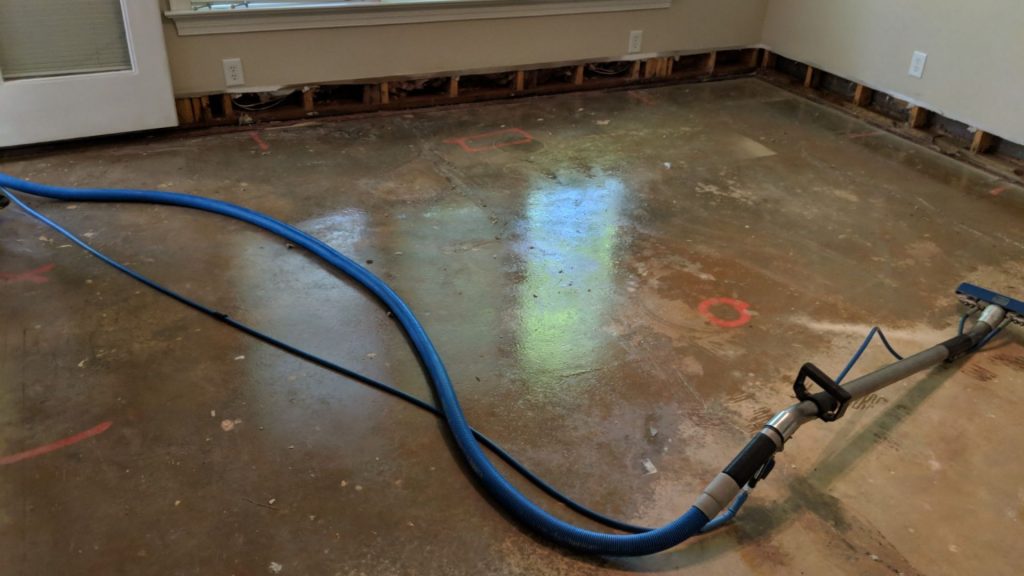
Basement flooding is common in Commerce Township because the area sits on a high water table and features soil that often struggles to drain during heavy Michigan storms. With many homes built near bodies of water like Commerce Lake or Union Lake, the hydrostatic pressure against foundations can be significantly higher than in other regions. Securing professional water damage repair in Commerce Township is the most effective way to address the structural and environmental factors that lead to consistent moisture issues in your lower levels.
If you live in neighborhoods near the M-5 corridor or Proud Lake, you are likely familiar with the anxiety that comes with a heavy downpour. The local geology consists of varying layers of clay and sand which can trap water against your basement walls. When the soil becomes saturated, the water has nowhere to go but through small cracks or over the top of the foundation footer. Understanding why these events occur is the first step in protecting your property value and ensuring a dry, healthy living environment.
Why do basements flood so often in Commerce Township?
Basements in Commerce Township flood frequently due to a combination of high groundwater levels, aging infrastructure, and the specific clay-rich soil composition found throughout Oakland County. Because the township is surrounded by lakes and wetlands, the ground remains naturally saturated for much of the year. This saturation creates constant pressure on basement floors and walls, leading to seepage even during moderate rain events.
The layout of local neighborhoods also plays a role in how water interacts with your home. In areas like Commerce Village or near the Richardson Center, older drainage systems may struggle to keep up with modern storm intensities. When municipal storm drains reach capacity, the excess water can back up into residential lines, turning a simple rain shower into a significant flooding event.
How does the high water table impact local homes?
The high water table in Commerce Township creates a constant threat of hydrostatic pressure, which forces water through porous concrete and foundation joints. In lakefront communities near Middle Straits Lake and Lower Straits Lake, the groundwater level can be just a few feet below the surface. This means your basement is essentially sitting in a giant pool of water that is constantly looking for a way inside.
When the water table rises after a period of heavy rain, the pressure becomes intense enough to cause floor cracks to leak or even cause the basement floor to heave. This is not just a seasonal issue but a year-round challenge for homeowners. Even during the winter, the freeze-thaw cycle in Michigan can trap moisture near the foundation, leading to unexpected leaks when the ground begins to melt.
Why is sump pump failure repair essential for flood prevention?
A functional sump pump is the primary line of defense against groundwater, making sump pump failure repair a critical maintenance task for every homeowner in the area. Most homes in the township rely on these systems to collect and pump out the water that accumulates in the perimeter drains. If the pump fails during a storm due to a mechanical breakdown or a power outage, the basement can fill with water in a matter of minutes.
You can take the necessary steps to safeguard your home and get your assessment today by consulting with experts who understand the high demands placed on local pumping systems.
Common causes of pump failure include switch malfunctions, clogged discharge lines, and simply being overwhelmed by the volume of water. Because our local water table is so active, a pump in a Commerce Township home might run significantly more often than one in a drier climate. This constant operation leads to faster wear and tear, necessitating regular inspections and the installation of high-quality battery backup systems.
What role does heavy rain water damage Michigan storms play?
The intensity of heavy rain water damage Michigan residents experience has increased, often delivering more water than standard gutter and grading systems can manage. When several inches of rain fall within a few hours, the ground around the foundation becomes a moat. If your gutters are clogged or your downspouts discharge too close to the house, this water is funneled directly toward your basement walls.
The local environment is particularly sensitive to these rapid accumulation events. Areas near the Huron River or the various creeks feeding into the lakes can see rapid rises in surface water levels. This surface water can overwhelm window wells and low-threshold doors, bypassing the sump pump entirely and entering the home through gravity alone.
How does professional water damage repair in Commerce Township fix the problem?
Professional water damage repair in Commerce Township goes beyond just drying the floor; it involves identifying the specific entry points and stabilizing the environment to prevent future occurrences. Technicians use moisture mapping tools to see where water is traveling behind finished basement walls. By understanding the path of the water, they can recommend specific structural repairs like epoxy injections for cracks or improvements to the interior drainage system.
You can ensure your home is fully protected and schedule an inspection to identify hidden vulnerabilities before the next major storm hits.
The repair process also focuses on the health of the home. Because basement water often contains bacteria from the soil or sewer systems, professional sanitization is required to keep the space safe for your family. Industrial-grade dehumidifiers are used to pull deep-seated moisture out of the concrete, which prevents the musty odors and structural rot that typically follow a basement flood.
Is a flooded basement cleanup a DIY project?
A flooded basement cleanup is rarely a successful DIY project because residential equipment cannot extract moisture from the porous materials that make up your basement. While a shop-vac might remove standing water, it cannot address the water that has soaked into the drywall, baseboards, and carpet padding. If these materials are not dried to a professional standard within 24 to 48 hours, they will become a breeding ground for mold.
Homeowners who attempt to dry their basements with household fans often face secondary damage. These fans move the air but do not remove the humidity, which can lead to condensation on the ceiling and walls in other parts of the home. Professional restoration teams utilize LGR dehumidifiers that are specifically designed to operate in the cool, damp conditions of a Michigan basement, ensuring that every layer of the structure reaches a safe dry standard.
| Feature | Sump Pump Failure | Foundation Seepage | Sewer Backup |
| Primary Cause | Mechanical or Power Failure | Hydrostatic Pressure | Blocked Municipal Lines |
| Water Volume | High and Rapid | Low and Steady | Variable but Highly Contaminated |
| Detection | Pump Alarm or Standing Water | Damp Walls or Floor Cracks | Odor and Floor Drain Overflow |
| Repair Priority | Immediate Replacement | Crack Injection and Grading | Sanitization and Line Clearing |
How to identify foundation issues before a flood occurs
Homeowners can often spot the warning signs of a basement flood before the water actually arrives by looking for specific clues on their foundation walls. Efflorescence, which is a white, powdery mineral deposit, is a clear indicator that water is consistently moving through the concrete. You might also notice small “stair-step” cracks in block walls or vertical cracks in poured concrete, both of which are paths of least resistance for groundwater.
Another sign of trouble is the presence of a persistent musty smell, even if you do not see standing water. This odor is often caused by moisture trapped behind finished walls or under floating floors. In neighborhoods like Edgewood Park, where many homes have finished lower levels, these hidden leaks can cause significant damage to expensive finishes before they are ever discovered.
The impact of poor landscaping on basement moisture
Landscaping that slopes toward the house is one of the most common contributors to basement flooding in Commerce Township. Over time, the soil around a foundation can settle, creating a “bowl” effect that collects rainwater. If the grade does not slope away from the house at a rate of at least one inch per foot for the first six feet, the water will naturally migrate toward your basement.
Downspout management is equally important. Many local homes have downspouts that dump water right at the corner of the foundation. Extending these pipes at least ten feet away from the structure, or tying them into a dedicated underground drainage system, can reduce the workload on your sump pump by thousands of gallons per year.
It is highly recommended that you contact our professional team to evaluate your home’s exterior drainage and identify ways to keep water away from your foundation.
Understanding the “Lake Effect” on local foundations
Living near the water in Commerce Township offers beautiful views, but it also means your foundation is subject to unique environmental stresses. The soil near lakes often has a higher organic content and can be more expansive. When this soil gets wet, it expands with tremendous force, pushing against your basement walls and potentially causing them to bow or crack over time.
This constant movement requires a proactive approach to home maintenance. Checking your foundation every spring and fall for new cracks or signs of movement is essential. By addressing these small issues early, you can avoid the high costs associated with a full basement flood and the subsequent structural repairs that follow.
How to prepare your basement for a Michigan winter
The transition from fall to winter in Michigan presents specific risks for basement flooding. As the ground freezes, it becomes impermeable, meaning any snowmelt or late-season rain cannot soak into the earth. Instead, it runs along the surface and can pool against your foundation. If your window wells are not properly covered or cleaned of leaves, they can fill with water and leak into the basement.
Furthermore, discharge lines for sump pumps can freeze if they are not installed correctly. If the water inside the pipe freezes, the pump will continue to run but will have nowhere to push the water, eventually leading to a motor burnout and a flooded basement. Ensuring your discharge lines have a proper slope and a “freeze-guard” attachment can prevent this common winter disaster.
FAQs about Basement Flooding in Commerce Township
Why does my basement smell musty after a heavy rain?
A musty smell indicates that moisture is present and reacting with organic materials like wood or drywall. Even if you do not see a puddle, the humidity level in the basement has likely risen above 60 percent, which allows microbial growth to begin. This is often caused by seepage through the foundation or a failing dehumidifier.
Is basement flooding covered by standard home insurance?
Standard policies typically do not cover water that enters from the ground up unless you have a specific “Sump Pump Failure” or “Water Back-up” endorsement. Standard flood insurance is usually a separate policy managed through FEMA. It is vital to review your policy limits for water backup, as many basic endorsements only cover up to $5,000, which may not be enough for a finished basement.
How often should I replace my sump pump?
In a high-water-table area like Commerce Township, most experts recommend replacing your primary sump pump every 5 to 7 years. Because these pumps work harder in our local environment, they are prone to earlier failure. Testing your pump every few months by pouring water into the basin is a simple way to ensure it is still functioning correctly.
Can a dehumidifier prevent basement flooding?
A dehumidifier cannot prevent a flood, but it is an essential tool for managing the ambient moisture that leads to mold and rot. By keeping the relative humidity below 50 percent, you prevent the “sweating” of cold water pipes and concrete walls. This creates a more stable environment and protects your belongings from the effects of high humidity.
What should I do immediately after finding water in my basement?
The first step is to ensure your safety by turning off the electricity to the basement if the water is near outlets or appliances. Next, identify the source if possible and stop the flow of water. Call a professional restoration company immediately to begin the extraction process, as the faster the water is removed, the less likely you are to face permanent structural damage.
Conclusion
Basement flooding is a persistent challenge for homeowners in Commerce Township, but it is a problem that can be managed with the right knowledge and professional support. From the high water tables near Commerce Lake to the heavy seasonal rains that test our infrastructure, the local environment demands a proactive approach to moisture control. By addressing the root causes of flooding and maintaining your home’s defense systems, you can enjoy your basement as a safe, dry, and valuable part of your home.
Successful water damage repair in Commerce Township requires a deep understanding of local geology, building standards, and the science of structural drying. Whether you are dealing with a sudden sump pump failure or long-term seepage issues, taking immediate action is the only way to protect your investment and your family’s health.
EZ DRY is a trusted local service provider dedicated to helping our neighbors through these difficult situations. As a solution to the problems discussed above, our team provides the rapid response and technical expertise needed to restore your home and implement long-term prevention strategies. For reliable basement restoration and water damage solutions, we are here to help you navigate every step of the recovery process.