
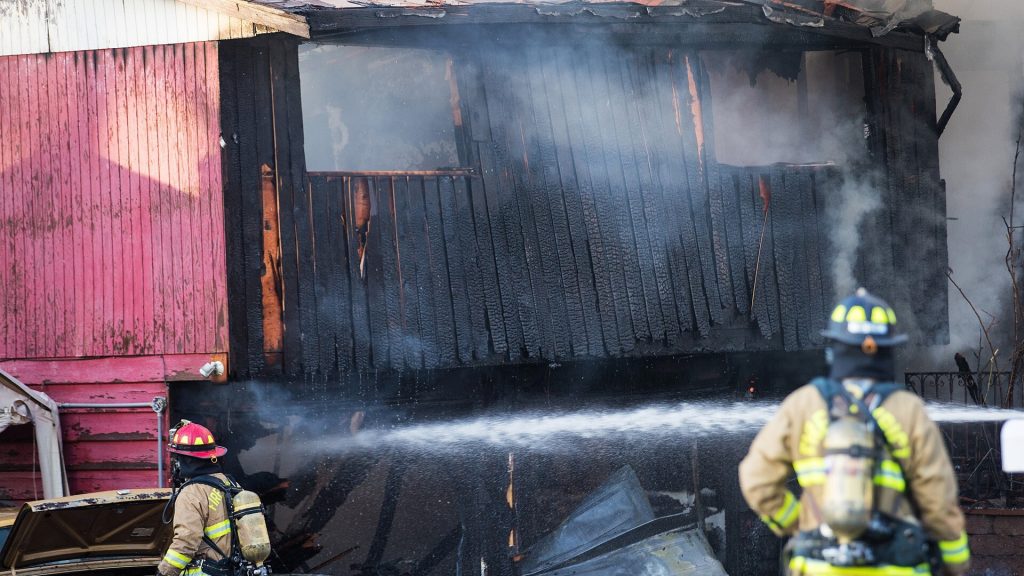
When a small house fire strikes your Michigan home, your first instinct is relief once the flames are extinguished. The fire department has left, the immediate danger has passed, and you’re ready to assess the damage and move forward. But here’s what many homeowners don’t realize: the black, powdery substance coating your walls, furniture, and belongings—soot—poses a far greater and longer-lasting threat than the fire itself.
In 2025, Michigan fire departments responded to 15,819 home fires, and tragically, 77 Michigan residents lost their lives in residential fires. While these statistics represent the immediate devastation of fire, they don’t tell the complete story of what happens after the flames are out. The real enemy that many homeowners underestimate is soot, and understanding its dangers is crucial for protecting your health, your property, and your family’s future.
What Exactly is Soot?
Soot is a byproduct of incomplete combustion—what forms when materials don’t burn completely due to insufficient oxygen. When your home catches fire, whether it’s a small kitchen fire, an electrical malfunction, or a larger structural fire, materials like wood, plastic, fabric, insulation, and household chemicals burn incompletely, releasing microscopic carbon particles into the air.
These particles combine with other combustion byproducts to create the black, powdery or greasy substance we call soot. But calling it simply “black powder” vastly understates the danger. Soot is actually a complex mixture of:
- Carbon particles so fine they’re measured in nanometers (billionths of a meter)
- Volatile organic compounds (VOCs) including benzene and other carcinogens
- Toxic chemicals from burned plastics, synthetic materials, and household products
- Acidic compounds including sulfur and other corrosive substances
- Heavy metals and other contaminants depending on what burned
The composition of soot varies dramatically based on what materials burned in your home. A fire involving plastics creates particularly toxic soot with strong odors and sticky, greasy residue. Wood fires produce drier, powdery soot. Fires involving modern synthetic furniture, electronics, and household chemicals create highly toxic combinations that pose serious health risks.
The Hidden Nature of Soot Damage
One of soot’s most dangerous characteristics is its ability to infiltrate areas far beyond where the fire occurred. During a fire, heat and pressure force smoke and soot particles deep into every porous surface in your home:
Walls and Insulation: Soot penetrates through drywall, soaking into insulation behind walls where you can’t see it. These hidden deposits continue releasing toxic chemicals into your indoor air for months or even years.
HVAC Systems: Your heating and cooling system can pull smoke and soot particles through ductwork, distributing contamination throughout your entire home—even to rooms completely untouched by flames. Every time your HVAC runs, it can recirculate soot particles.
Furniture and Fabrics: Upholstery, carpeting, curtains, and clothing absorb soot deep into their fibers. The particles embed so deeply that normal cleaning methods can’t remove them.
Electronics and Appliances: Soot infiltrates the internal components of computers, televisions, appliances, and electrical systems, causing ongoing corrosion and eventual failure.
Personal Belongings: Books, photographs, documents, and other porous items absorb soot, often becoming permanently damaged or contaminated.
This hidden nature explains why a “small” kitchen fire can cause tens of thousands of dollars in damage even when the actual flames were confined to one area. The smoke and soot traveled throughout your home, depositing toxic residue everywhere.
Why Soot is More Dangerous Than You Think
Immediate Health Hazards
Exposure to soot creates immediate health risks for everyone in your household, but certain family members are particularly vulnerable:
Respiratory Problems: Soot particles are small enough to bypass your body’s natural defenses and penetrate deep into your lungs. Inhaling these particles can cause:
- Persistent coughing and throat irritation
- Shortness of breath and difficulty breathing
- Wheezing and chest tightness
- Aggravation of asthma and other existing respiratory conditions
- Development of bronchitis and respiratory infections
- Increased mucus production and sinus problems
Skin and Eye Irritation: Direct contact with soot-contaminated surfaces causes:
- Skin rashes and irritation
- Itching and dermatitis
- Eye redness, burning, and excessive tearing
- Absorption of toxic chemicals through the skin
Vulnerable Populations at Greatest Risk:
The EPA identifies several groups at heightened risk from soot exposure:
- Children and Infants: Their developing respiratory systems make them especially susceptible. Studies show even short-term soot exposure in infants can cause lifelong health consequences.
- Older Adults: Aging immune systems struggle to handle soot-related toxins.
- Pregnant Women: Exposure can affect both mother and developing baby.
- People with Heart or Lung Conditions: Existing asthma, COPD, or cardiovascular disease can worsen significantly.
Long-Term Health Concerns
The toxic chemicals in soot create serious long-term health risks. Research has identified potentially 2,000 cancer-causing agents that can be present in house fire soot. Prolonged exposure—which occurs when soot isn’t properly remediated—has been linked to:
- Increased Cancer Risk: Many components of soot are known carcinogens
- Chronic Respiratory Disease: Long-term lung damage and reduced lung function
- Cardiovascular Problems: Studies link soot exposure to increased risk of heart attack and stroke
- Weakened Immune System: Chronic exposure compromises your body’s ability to fight illness
- Neurological Effects: Some soot components can affect cognitive function
For Michigan homeowners who experience winter fires, these risks are compounded by the fact that homes are sealed tight against cold weather, trapping soot particles and toxic fumes inside with limited ventilation.
The Property Damage Timeline: Why Every Hour Counts
Soot damage doesn’t stop when the fire ends—it begins. Understanding the timeline of soot damage helps explain why professional restoration within the first 24-48 hours is critical:
Within Minutes
- Appliances begin to discolor
- Porous materials like marble may be permanently discolored
- Plastics and metals start showing discoloration
Within Hours
- Grout between tiles begins to yellow
- Fiberglass bathroom fixtures and kitchen countertops start staining
- Furniture finishes begin to discolor
- Clothing and fabrics become yellowed
Within Days
- Metal surfaces begin to corrode and tarnish
- Painted walls yellow significantly
- Vinyl flooring becomes permanently discolored
- Wood furniture finishes deteriorate
- The acidic nature of soot begins eating into materials
Within Weeks
- Extensive metal corrosion and rust
- Carpet may require complete replacement
- Glass, china, and crystal can become permanently etched
- Silver and other metals may be irreparably damaged
- Painted surfaces may require complete repainting
- Structural materials may need replacement
This aggressive timeline explains why insurance companies and restoration professionals emphasize immediate action. What might have been salvageable with quick professional cleaning becomes a total loss after just a few weeks of soot exposure.
Michigan-Specific Considerations
Michigan’s climate and housing characteristics create unique challenges for soot remediation:
Winter Fires and Heating Season
Michigan experiences increased fire risk during winter months when heating systems run constantly. According to national fire statistics, house fires occur more commonly during cooler months beginning in November. In 2024, Michigan experienced 8,859 residential fires through October, with many occurring during heating season.
Winter creates additional soot challenges:
Closed Windows and Limited Ventilation: Michigan homes are sealed tight against winter cold. After a fire, this trapping effect concentrates soot particles and toxic fumes, increasing exposure risks.
Heating System Complications: If your furnace was running during or after the fire, soot may have been pulled into your HVAC system and distributed throughout your home via ductwork. Running your heating system before professional cleaning can spread contamination.
Frozen Pipes and Water Damage: Water used to extinguish winter fires can freeze in pipes or create ice dams, compounding damage. When combined with soot, this creates particularly difficult remediation challenges.
Older Michigan Homes
Michigan has many homes built before modern fire safety codes. These older homes often have:
- More wood construction and materials that produce different types of soot
- Plaster walls that absorb soot differently than modern drywall
- Hardwood floors that can be damaged by both fire and cleaning attempts
- Vintage or irreplaceable materials requiring specialized restoration
Basement Fires
Many Michigan homes have finished basements used as living spaces. Basement fires create unique soot distribution patterns:
- Heat and smoke rise, depositing soot on upper floors
- Limited ventilation in basements concentrates toxic fumes
- Basement ceiling joists and ductwork can harbor hidden soot deposits
- Lower oxygen levels in basements can create more incomplete combustion and heavier soot
The Water-Soot Combination: A Toxic Mix
When firefighters extinguish your house fire, they use large volumes of water. This water, necessary to save your home, creates an additional problem when it combines with soot. Water and soot together create a toxic sludge that:
- Is highly acidic and accelerates corrosion
- Penetrates deeper into porous materials
- Becomes sticky and difficult to remove
- Can cause chemical burns to skin
- Spreads contamination further than dry soot alone
This toxic sludge requires specialized cleaning techniques and protective equipment to remove safely. Standard household cleaning simply pushes the contamination deeper into materials or spreads it to new areas.
Why Professional Cleaning is Essential
Many homeowners facing small house fires consider DIY cleanup to save money. This decision can be dangerous and costly. Here’s why professional soot remediation is critical:
Specialized Equipment Requirements
Professional restoration companies use equipment not available to homeowners:
HEPA Filtration Systems: High-Efficiency Particulate Air filters trap microscopic soot particles. Regular vacuum cleaners just blow particles into the air.
Air Scrubbers: These devices pull contaminated air through multiple filtration stages, removing particles and odors.
Nano Filters: Advanced filtration systems that capture particles at the nanoscale level.
Ozone Generators and Hydroxyl Technology: Specialized equipment that chemically transforms smoke particles and eliminates odors at the molecular level rather than masking them.
Thermal Foggers: Devices that penetrate porous materials to neutralize deep odors.
Expertise in Material-Specific Cleaning
Different materials require different cleaning approaches:
- Electronics need specialized cleaning to prevent corrosion
- Wood furniture requires specific techniques to avoid damage
- Fabrics need professional laundering with special solutions
- HVAC systems require ductwork cleaning and component replacement
Professionals understand which items can be salvaged, which require specialized treatment, and which must be replaced. They also know how to clean without spreading contamination further.
Safety Protocols
Professional restoration technicians follow strict safety protocols:
Personal Protective Equipment (PPE): Including NIOSH-certified respirators (N-95 or P-100 masks), not simple dust masks or cloth coverings. Also protective suits, gloves, and eye protection.
Containment Procedures: Setting up barriers to prevent cross-contamination during cleaning.
Proper Disposal: Safely disposing of contaminated materials according to environmental regulations.
Air Quality Testing: Monitoring indoor air quality throughout the restoration process.
Documentation for Insurance
Professional restoration companies provide:
- Detailed damage assessments
- Photo documentation of all affected areas
- Itemized lists of damaged property
- Scope of work reports
- Cost estimates
- Direct coordination with insurance companies
This documentation is crucial for insurance claims. The average house fire restoration cost is $27,175, but costs can vary dramatically. Professional documentation ensures you receive appropriate compensation.
Insurance Considerations for Michigan Homeowners
Most homeowners insurance policies cover fire damage, but understanding the specifics is important:
Dwelling Coverage: Covers structural damage to your home Personal Property Coverage: Covers belongings damaged or destroyed Additional Living Expenses: Pays for temporary housing if your home is uninhabitable Other Structures: Covers detached garages, sheds, etc.
However, insurance coverage has important considerations:
- Many policies have deductibles ranging from $500 to $2,500 or more
- Coverage limits may not fully replace all losses
- Some high-value items may require scheduled coverage
- Proper documentation is essential for claims approval
- Professional restoration estimates carry more weight than DIY assessments
Insurance companies typically prefer policyholders use IICRC-certified restoration companies. IICRC (Institute of Inspection, Cleaning and Restoration Certification) sets industry standards for fire and smoke damage restoration. Certified companies are trained, licensed, and held to higher standards than non-certified contractors.
The Restoration Process: What to Expect
Understanding professional fire and smoke restoration helps you know what to expect:
Immediate Response (First 24-48 Hours)
- Emergency contact and assessment
- Property securing and board-up if necessary
- Water extraction if firefighting efforts left standing water
- Initial soot removal from surfaces to prevent further damage
- Air scrubbers and dehumidifiers deployed
- Inventory of damaged items begins
Detailed Assessment (Days 2-5)
- Comprehensive damage evaluation
- Testing of HVAC systems for contamination
- Assessment of structural integrity
- Categorization of items (salvageable, require special treatment, total loss)
- Development of detailed restoration plan
- Insurance documentation and coordination
Deep Cleaning and Restoration (Weeks 1-4+)
- HVAC system cleaning or component replacement
- Wall and ceiling cleaning or replacement
- Floor restoration or replacement
- Content cleaning (furniture, belongings, etc.)
- Electronics cleaning or disposal
- Odor elimination
- Structural repairs
- Painting and finishing work
The timeline varies based on fire severity, but even “small” fires often require 2-4 weeks of professional work to properly remediate all soot damage.
Protecting Yourself During the Cleanup Period
If you must enter your home before professional restoration:
Wear Proper Protection:
- NIOSH-certified N-95 or P-100 respirator (not a surgical or cloth mask)
- Protective gloves
- Long sleeves and long pants
- Eye protection
- Shoes that fully cover feet
Limit Exposure Time: Make quick trips only for essentials
Don’t Eat or Drink in contaminated areas
Wash Immediately: Shower and wash clothing after any exposure
Watch for Symptoms: Seek medical attention if you experience:
- Repeated coughing or shortness of breath
- Wheezing or chest tightness
- Severe headaches or dizziness
- Nausea or unusual fatigue
- Skin rashes or severe irritation
Avoid Cleanup If You Have:
- Heart or lung disease (including asthma)
- Compromised immune system
- Are pregnant
- Are an older adult
- Have young children
Preventing Future Fires: Lessons from Michigan’s Experience
While this article focuses on soot remediation, prevention is always better than recovery. Michigan fire data reveals important prevention opportunities:
Top Causes of Residential Fires:
- Cooking (48.7% of residential fires nationally)
- Unintentional/Careless actions (9.2%)
- Heating equipment (8.1%)
- Electrical malfunction (6.9%)
- Smoking (identified as leading cause of fatal fires in Michigan at 38%)
Prevention Steps Every Michigan Homeowner Should Take:
- Install smoke alarms on every floor, inside bedrooms, and at least 10 feet from kitchen appliances
- Test smoke alarms monthly (99% of U.S. homes have alarms, but many aren’t functional)
- Replace smoke alarm batteries at least annually
- Replace entire smoke alarm units every 10 years
- Never leave cooking unattended
- Keep flammable materials away from heat sources
- Have heating systems professionally inspected annually before winter
- Never smoke indoors or in bed
- Ensure proper electrical wiring and don’t overload circuits
- Have a fire escape plan with two exits from every room
- Keep fire extinguishers accessible and know how to use them
Michigan’s MI Prevention program has installed over 107,617 smoke alarms in more than 26,000 Michigan homes since 2019, demonstrating the state’s commitment to fire safety. These preventive measures save lives and prevent the devastating property damage and health hazards that soot creates.
The Bottom Line: Don’t Underestimate Soot
When a fire damages your Michigan home, the visible flames represent only the beginning of your challenges. Soot—that fine black powder coating every surface—poses ongoing threats to your health and property that worsen with each passing hour.
The toxic mixture of carbon particles, volatile organic compounds, and corrosive chemicals penetrates deep into every porous surface in your home. It corrodes metals, stains materials, releases carcinogens into your indoor air, and causes respiratory problems, skin irritation, and serious long-term health effects.
Time is your enemy when dealing with soot damage. Within minutes of fire extinguishment, permanent damage begins. Within days, corrosion accelerates. Within weeks, items that could have been salvaged become total losses.
Professional restoration isn’t a luxury—it’s a necessity for protecting your family’s health and your property value. IICRC-certified restoration companies have the equipment, expertise, and safety protocols to properly remediate soot damage. They work directly with insurance companies to document damage and ensure proper compensation.
If your Michigan home experiences a fire—whether a small kitchen fire or larger structural fire—don’t underestimate the danger lurking in that black, powdery residue. Contact professional fire restoration specialists immediately. Your family’s health and your home’s future depend on proper soot remediation.
The flames may be out, but the real battle against fire damage has just begun. Soot is the real enemy, and treating it with the seriousness it deserves can mean the difference between full recovery and ongoing health problems and property damage for years to come.