
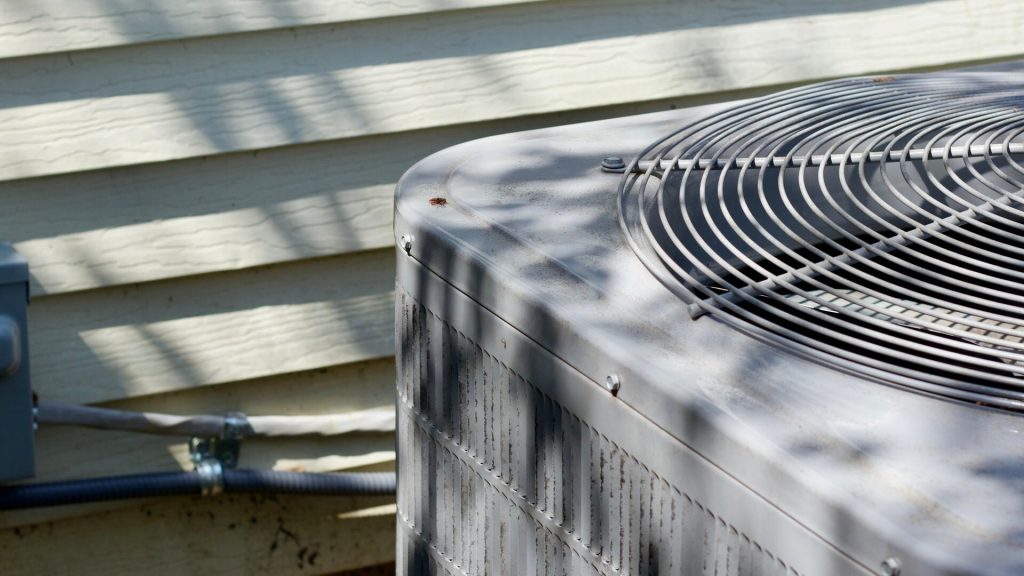
If your family has been experiencing persistent allergy symptoms that seem worse at home than anywhere else, you might be quick to blame pollen, dust, or seasonal changes. But what if the real culprit isn’t floating in from outside—what if it’s being actively circulated throughout your home by your HVAC system? For Michigan homeowners, hidden mold growing inside heating and cooling systems due to water leaks is a surprisingly common problem that can turn your home’s air distribution system into an allergen delivery system.
Understanding the connection between HVAC water leaks, mold growth, and your family’s health is crucial for protecting both your home and the people who live in it. Let’s explore how water issues in your HVAC system create perfect conditions for mold, how that mold affects your family’s health, and what you can do about it.
Michigan’s Climate: The Perfect Storm for HVAC Mold
Michigan’s climate creates unique challenges for HVAC systems and homeowners. With average relative humidity ranging from 76% to 86% throughout the year, Michigan homes constantly battle moisture issues. The state receives approximately 30-38 inches of precipitation annually, and Michigan’s humid summers combined with wet springs create ideal conditions for mold growth.
During Michigan’s cooling season (roughly May through October), air conditioning systems work overtime to remove humidity from indoor air. This process generates significant amounts of water—a properly functioning central AC system can produce between 5 and 20 gallons of water per day during peak summer operation. This moisture must be properly collected and drained away, or it becomes a breeding ground for mold and other biological contaminants.
The EPA recommends keeping indoor relative humidity below 60% to prevent mold growth—ideally between 30% and 50%. However, Michigan’s naturally high outdoor humidity, combined with moisture generated by daily activities like cooking and showering, means HVAC systems must work constantly to maintain these levels. When water leaks or drainage problems occur, the system designed to keep your home dry becomes the source of your moisture problems.
How HVAC Systems Generate Water (And Why That Matters)
To understand how water leaks lead to mold in your HVAC system, you first need to understand the dehumidification process that occurs during normal operation.
When your air conditioner runs, warm, humid air from your home passes over the evaporator coil, which contains extremely cold refrigerant. Just like water droplets form on a cold glass on a humid day, moisture in the air condenses on these cold coils. This condensation drips down into a collection pan (called a condensate drain pan or drip pan) located beneath the evaporator coil inside your air handler.
From this drain pan, the water should flow through a drain line and exit your home—typically into a floor drain, outside drainage system, or connected to your home’s plumbing. This process happens constantly whenever your AC runs, removing gallons of moisture from your indoor air throughout the cooling season.
The problem begins when this system doesn’t work as designed.
Common HVAC Water Leak Sources
Several components in your HVAC system can develop water leak issues, each creating conditions that allow mold to flourish:
Clogged Condensate Drain Lines
This is the number one cause of HVAC-related water problems and subsequent mold growth. Over time, the condensate drain line accumulates algae, mold, mildew, dust, and biological debris. These materials form a sticky biofilm that gradually narrows and eventually blocks the drain pipe.
When the drain line clogs, water backs up into the condensate pan. If the pan fills completely, water overflows into areas it should never reach—surrounding insulation, ductwork, and the air handler cabinet itself. Standing water in the drain pan creates a perfect environment for mold and bacterial growth. This contamination then gets picked up by the airflow and distributed throughout your home every time the system runs.
Damaged or Improperly Installed Drain Pans
Condensate drain pans can rust, crack, or develop holes over time, especially in older systems. When pans deteriorate, water leaks directly into areas surrounding the HVAC unit. This moisture saturates insulation, wood framing, and other materials that provide excellent food sources for mold growth.
Improper installation can also cause drain pan problems. If the pan isn’t perfectly level or is tilted in the wrong direction, water may not drain properly even when the drain line is clear. Water pools in low spots of the pan, creating stagnant moisture that encourages mold colonization.
Frozen Evaporator Coils
When evaporator coils freeze (usually due to restricted airflow from dirty filters, low refrigerant, or blower fan problems), ice forms on the coils. When the system cycles off or the problem is corrected, this ice melts rapidly, producing more water than the drain system can handle. The resulting overflow creates water intrusion in areas not designed to handle moisture.
Leaky Ductwork
Ducts running through unconditioned spaces like attics, crawl spaces, or basements can develop leaks or gaps. In Michigan’s humid climate, warm, moisture-laden air from these spaces can infiltrate through these leaks. When this humid air contacts the cold surfaces of ducts carrying conditioned air, condensation forms. This condensation accumulates on duct surfaces and in duct insulation, providing moisture for mold growth.
Improperly Sized or Poorly Maintained Systems
An air conditioning system that’s too large for your home will “short-cycle”—turning on and off rapidly without running long enough to adequately remove humidity. Conversely, an undersized system will run constantly without effectively managing moisture. Both scenarios can lead to excess humidity and condensation problems that promote mold growth.
How Mold Colonizes Your HVAC System
Once water leaks or excessive moisture is present in your HVAC system, mold colonization happens surprisingly quickly. Mold spores are everywhere in the environment—they’re microscopic fungal seeds that float through the air both indoors and outdoors. Under normal, dry conditions, these spores remain dormant and harmless.
However, mold only needs three things to begin active growth:
- Moisture: Water leaks, condensation, or relative humidity above 60%
- Food Source: Organic material like dust, skin cells, pollen, or building materials
- Temperature: Mold thrives in the same temperature ranges humans find comfortable (typically 60-80°F)
Your HVAC system, when experiencing water leak issues, provides all three conditions in abundance. Moisture accumulates from the leak. Dust and organic debris naturally collect in HVAC components. And the air handler cabinet maintains comfortable temperatures year-round.
Research shows that mold can begin growing within 24 to 48 hours after water exposure. Within days, what started as a small water leak becomes an active mold colony. The dark, enclosed spaces inside HVAC systems mean this growth can progress for weeks or months completely undetected.
High-Risk Areas in Your HVAC System
Certain components are particularly vulnerable to mold colonization:
Condensate Drain Pans: Standing water combined with organic debris creates an ideal mold habitat. Biofilm and algae growth in drain pans appears as dark, slimy deposits.
Evaporator Coils: The cold, often-damp surface of evaporator coils attracts dust and moisture, making them mold magnets.
Air Handler Cabinet: Water leaks can saturate insulation and cabinet materials, creating hidden mold growth behind access panels.
Ductwork: Particularly ducts in basements, crawl spaces, or attics where humidity is higher and leaks are more likely.
Filters and Filter Housings: Dirty or damp filters provide both food and moisture for mold growth.
How Mold Spreads Throughout Your Home
Here’s where a localized water leak becomes a whole-home health problem. Your HVAC system is designed to circulate air throughout your entire house. Every register and return vent is connected through ductwork to the central air handler. When mold grows in the air handler, drain pan, or ductwork, the system’s airflow carries microscopic mold spores to every room in your home.
Each time your heating or cooling system cycles on, it acts like a mold distribution system. Spores that were growing in the condensate pan, on the evaporator coil, or in damp ductwork get picked up by the airflow and blown through your supply ducts and out your vents. Your family then breathes these contaminated air streams day and night.
This explains why mold-related allergy symptoms often worsen when the HVAC system is running. Family members may notice their symptoms improve when they leave the house but return or intensify within hours of coming home. This pattern is a strong indicator of an indoor air quality problem originating from your heating and cooling system.
Health Effects: When HVAC Mold Makes Your Family Sick
Mold exposure through your HVAC system can cause a wide range of health effects, particularly affecting the respiratory system. The specific symptoms and their severity depend on individual sensitivity, the amount of mold present, the duration of exposure, and whether family members have pre-existing respiratory conditions.
Common Mold Allergy Symptoms
For most people, exposure to mold spores circulating through the HVAC system triggers allergic reactions similar to hay fever:
- Nasal congestion and stuffiness that persists throughout the day
- Runny nose with clear discharge
- Sneezing, especially in the morning or when the HVAC system first turns on
- Itchy, watery eyes and eye irritation
- Itchy nose and throat causing constant clearing of the throat
- Postnasal drip leading to coughing, especially at night
- Dry, itchy skin or rashes in some individuals
- Coughing that won’t go away with typical cold treatments
- Fatigue and general feeling of being unwell
These symptoms typically worsen while at home and may improve during time spent away from the house. Many people with HVAC mold problems report feeling significantly better at work or when traveling, only to have symptoms return within hours of coming home.
Effects on Asthma Sufferers
For family members with asthma, mold exposure from HVAC systems can be particularly dangerous. Mold spores act as asthma triggers, potentially causing:
- Increased frequency of asthma attacks
- Wheezing and difficulty breathing
- Chest tightness and discomfort
- Shortness of breath, especially during physical activity
- Nighttime awakening due to respiratory symptoms
- Increased need for rescue inhalers
- Worsening of overall asthma control
Studies show that exposure to damp indoor environments and mold can cause new-onset asthma in previously healthy individuals, and significantly worsen pre-existing asthma. Research indicates that as many as 21% of asthma cases may result from exposure to mold.
Respiratory Infections
Beyond allergic reactions, mold exposure has been linked to increased susceptibility to respiratory infections. The immune system, constantly reacting to mold allergens, becomes less effective at fighting off other pathogens. Family members may experience:
- More frequent colds and upper respiratory infections
- Sinus infections that recur or won’t fully resolve
- Bronchitis episodes
- Prolonged recovery times from respiratory illnesses
Vulnerable Populations
Certain family members are at higher risk for severe reactions to HVAC mold:
Young Children and Infants: Developing immune systems make children particularly vulnerable. Infants exposed to mold in the home have a significantly increased risk of developing asthma and allergic rhinitis. Studies show persistent exposure during the first year of life increases the probability of developing respiratory symptoms.
Elderly Family Members: Aging immune systems may struggle to handle mold exposure, leading to more severe or prolonged symptoms.
Immunocompromised Individuals: People with weakened immune systems (from illness, medication, or medical treatments) may develop serious fungal infections in their lungs from mold exposure.
People with Existing Respiratory Conditions: Those with COPD, chronic bronchitis, or other lung diseases may experience significant worsening of their conditions.
Warning Signs: Recognizing HVAC Mold Problems
How do you know if your family’s allergy symptoms are caused by HVAC mold rather than other allergens? Several signs point specifically to HVAC-related mold issues:
Smell-Based Clues
Musty, earthy odors when the HVAC system first turns on are classic indicators of mold growth. This smell comes from microbial volatile organic compounds (MVOCs) released as mold breaks down organic material. The odor may be strongest near vents or in rooms closest to the air handler.
Some family members may smell a sour or damp smell near return air vents or when standing close to the HVAC unit itself.
Visible Signs
While much HVAC mold growth is hidden, sometimes you can see evidence:
- Dark spots or discoloration around air vents and registers
- Visible mold growth on vent covers (appears as black, green, or white fuzzy growth)
- Water stains on ceilings or walls near ductwork
- Condensation or moisture around the air handler cabinet
- Standing water in or around the condensate drain pan
- Rust or corrosion on drain pans indicating chronic moisture problems
Symptom Patterns
Pay attention to when and where symptoms occur:
- Symptoms that consistently worsen when at home and improve when away
- Symptoms that intensify when the HVAC system is running
- Multiple family members experiencing similar symptoms simultaneously
- New-onset allergies or asthma without other clear explanation
- Symptoms that persist year-round rather than following seasonal patterns
- Worse symptoms in certain rooms or areas of the house
System Performance Issues
HVAC mold problems often accompany other system issues:
- Reduced airflow from vents
- System running constantly without effectively cooling or heating
- Higher humidity levels inside the home despite AC operation
- Increased energy bills without explanation
- HVAC unit cycling on and off more frequently than normal
Prevention: Stopping Water Leaks Before Mold Starts
Preventing mold in your HVAC system starts with eliminating the moisture that allows it to grow. Michigan homeowners should implement these strategies:
Regular Maintenance Schedule
Annual professional HVAC inspection should occur before the cooling season begins (ideally in spring). Technicians should:
- Clean evaporator coils to prevent moisture and debris buildup
- Flush condensate drain lines with appropriate cleaning solutions
- Inspect and clean condensate drain pans
- Check for proper drainage and system operation
- Inspect ductwork for leaks, particularly in unconditioned spaces
Monthly Homeowner Checks
Between professional visits, homeowners should:
Check the condensate drain pan monthly during cooling season. The pan should be nearly dry. Standing water indicates drainage problems that need immediate attention.
Inspect the condensate drain line where it exits the house. You should see water dripping when the system is running. No water flow despite system operation indicates a clog.
Change air filters regularly—at minimum every 3 months, monthly during heavy use seasons. Dirty filters restrict airflow, which can cause coil freezing and moisture problems.
Humidity Control
Maintain indoor relative humidity between 30% and 50%:
- Use exhaust fans in bathrooms and kitchens that vent to the outdoors
- Run bathroom fans for 15-20 minutes after showering
- Consider a whole-house dehumidifier if your home has persistent humidity issues
- Use a hygrometer to monitor indoor humidity levels
Proper System Sizing and Installation
When installing or replacing HVAC systems:
- Ensure the system is properly sized for your home (not oversized)
- Verify drain lines have proper slope for gravity drainage
- Confirm proper installation of drain pans and traps
- Seal and insulate ductwork, especially in unconditioned spaces
Address Water Leaks Within 24-48 Hours
If you discover any HVAC water leak, address it immediately. Research shows mold can begin growing within 24-48 hours of water exposure. Quick action prevents mold colonization:
- Turn off the system if necessary to stop water flow
- Remove standing water using towels or a wet/dry vacuum
- Dry affected areas completely using fans and dehumidifiers
- Fix the source of the leak before restarting the system
- Have the system professionally inspected if water intrusion was significant
When to Call Professionals
Some HVAC mold situations require professional intervention:
Professional Mold Remediation
Call mold remediation specialists when:
- Visible mold growth exceeds 10 square feet
- Mold is in HVAC ductwork
- Family members have serious health reactions
- Previous DIY cleanup attempts haven’t resolved the problem
- You discover extensive hidden mold behind access panels
Professional remediation companies use HEPA-filtered vacuums, antimicrobial treatments, and containment procedures to remove mold without spreading spores throughout your home.
HVAC Professional Services
Contact qualified HVAC technicians for:
- Cleaning mold from evaporator coils and drain pans
- Professional duct cleaning when mold contamination is present
- Repair of leaky ductwork
- Condensate drain line clearing and repair
- System performance issues affecting humidity control
- Installation of UV lights in air handlers (which can help control mold growth)
Special Considerations for Michigan Homes
Michigan’s climate presents unique challenges that make HVAC mold problems particularly common:
Humid Summers: Extended periods of high humidity mean AC systems run constantly and produce maximum condensate. This increases wear on drain systems and raises the stakes if drainage fails.
Basement Air Handlers: Many Michigan homes have HVAC equipment in basements, which naturally have higher humidity. This makes water leak problems and mold growth more likely.
Seasonal Transitions: Michigan’s dramatic seasonal changes mean HVAC systems shut down completely for months, then restart heavily. Dormant moisture in systems can allow mold growth during off-seasons.
Older Homes: Michigan has many older homes where HVAC systems may not have been installed with modern moisture management standards.
The Bottom Line: Take HVAC Water Leaks Seriously
When your family’s persistent allergy symptoms don’t respond to typical treatments, and everyone seems to feel worse at home, it’s time to investigate your HVAC system. Water leaks in heating and cooling systems create ideal conditions for mold growth, and that mold gets distributed throughout your entire home every time the system runs.
The good news is that HVAC mold problems are preventable and fixable. Regular maintenance, prompt attention to water leaks, and proper humidity control protect both your home’s air quality and your family’s health. Don’t ignore musty smells, unexplained allergy symptoms, or visible signs of moisture around your HVAC system. These warning signs are your opportunity to address problems before they become serious health concerns.
For Michigan homeowners, where humidity and climate create additional challenges, staying vigilant about HVAC maintenance and moisture management isn’t optional—it’s essential for maintaining a healthy home environment. Your family’s respiratory health may literally depend on keeping your HVAC system dry and mold-free.
If you suspect your HVAC system has water leak issues or mold contamination, don’t wait. Contact qualified HVAC professionals and, if necessary, certified mold remediation specialists to assess and correct the problem. Your family’s health is worth the investment in clean, properly functioning indoor air systems.