
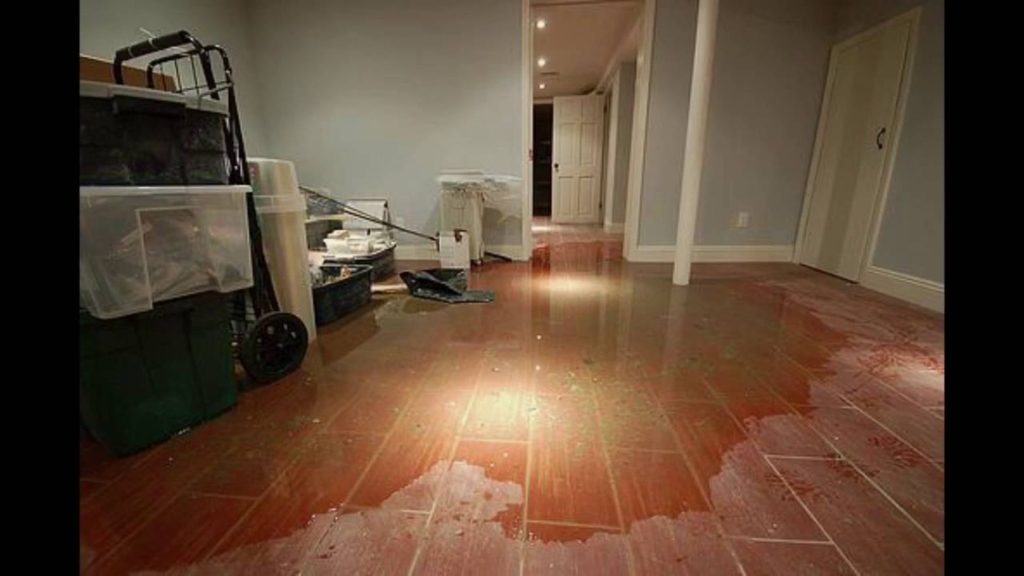
Yes, water damage leads to mold growth in as little as 24 to 48 hours when moisture is left untreated in the indoor environment. In the humid climate of Oakland County, especially near bodies of water like Commerce Lake or the Huron River, fungal spores find the perfect breeding ground in damp drywall, carpeting, and wood framing. Immediate water damage repair in Commerce Township is the only reliable way to stop the transition from a simple leak to a widespread mold infestation that threatens both your property and your health.
If you have recently experienced a pipe burst, a sump pump failure, or a roof leak during a Michigan storm, the clock is already ticking. Fungal organisms exist naturally in the air but require a consistent moisture source to colonize. Once they take hold, they consume organic building materials, leading to structural instability and poor indoor air quality. Understanding the science of how moisture interacts with your home is the first step in preventing a costly remediation project.
Does water damage always result in mold?
Water damage does not always result in mold if the affected area is professionally dried and sanitized within the first 24 to 48 hours of exposure. If the drying process is delayed or if moisture remains trapped behind wall cavities and under flooring, the probability of mold growth increases to nearly 100 percent. The outcome depends entirely on the speed of the response and the effectiveness of the moisture extraction equipment used.
Mold spores are opportunistic and require three specific components to thrive: moisture, a food source, and the right temperature. Most homes in neighborhoods like Edgewood Park or near the M-5 corridor are built with organic materials such as paper-faced drywall, plywood, and wood studs, which serve as an ideal food source. When these materials become saturated, the only way to prevent mold is to remove the moisture before the spores can germinate.
Why is professional water damage repair in Commerce Township vital for mold prevention?
Professional water damage repair in Commerce Township is vital because standard household cleaning methods cannot reach the hidden moisture trapped inside structural components. While a surface might feel dry to the touch, specialized moisture meters often reveal high levels of saturation deep within the subflooring or wall studs. Local experts use industrial-grade equipment to create a controlled environment that pulls moisture out of these hidden areas before mold can colonize.
Homeowners who attempt to manage significant water events with shop-vacs and residential fans often face secondary mold issues weeks later. These tools lack the power to lower the relative humidity of a room quickly enough to stop fungal growth. By contrast, professional restoration teams utilize LGR dehumidifiers and high-velocity air movers to manipulate the indoor climate, ensuring that every layer of the building reaches a safe dry standard.
You can take the necessary steps to protect your indoor air quality and get your assessment today by consulting with technicians who specialize in the unique building styles found throughout Oakland County.
The local environment in Commerce Township also plays a significant role in how homes react to water. With the high water table near Lower Straits Lake and Union Lake, basements are particularly prone to high humidity levels. A professional repair plan accounts for these local variables, ensuring that the dehumidification process is aggressive enough to overcome the ambient moisture found in Michigan’s lakefront communities.
How fast does mold grow after a water leak?
Mold begins to grow within 24 to 48 hours after a water leak occurs, provided the temperature is between 60 and 80 degrees Fahrenheit. The initial germination process is invisible to the naked eye, as the microscopic hyphae begin to spread through porous materials like insulation and carpet padding. By the time you see visible staining or smell a musty odor, the mold colony has already become established and may have released millions of spores into the air.
The timeline of growth follows a specific biological path:
- 0 to 24 Hours: Spores settle on damp surfaces and begin to absorb moisture.
- 24 to 48 Hours: Germination occurs, and the mold begins to consume the organic matter of the host material.
- 3 to 12 Days: The colony becomes visible as black, green, or white spots on walls or furniture.
- 12 to 21 Days: The mold reaches maturity and begins to release new spores into the HVAC system and other areas of the home.
Because the window for prevention is so small, acting within the first few hours of a leak is the only way to avoid the need for full-scale remediation. If you wait until the next business day to address a basement flood near the Huron Valley Schools district, you are likely already facing an emerging mold problem.
What are the risks of black mold after water damage?
The primary risks of black mold after water damage include serious respiratory health issues for occupants and the permanent destruction of porous building materials. While not all mold that appears black is the infamous Stachybotrys chartarum, any significant fungal growth can cause allergic reactions, asthma attacks, and persistent sinus issues. Beyond health concerns, black mold acts as a decomposer, slowly breaking down the integrity of your drywall and wooden supports.
Identifying black mold after water damage requires a professional inspection, as it often grows in dark, damp spaces like the back side of baseboards or inside attic insulation. If left unaddressed, the spores can spread through the home’s forced-air heating and cooling systems, contaminating rooms that were never even touched by the original water leak. This cross-contamination is why containment and professional filtration are essential components of any cleanup effort.
| Material Type | Mold Risk Level | Porosity Level | Typical Restoration Action |
| Drywall | High | Very Porous | Often requires removal if wet for 48+ hours |
| Solid Wood | Moderate | Semi-Porous | Can usually be saved with aggressive drying |
| Concrete | Low | Low Porosity | Requires surface cleaning and deep dehumidification |
| Carpeting | High | Very Porous | Padding must be replaced; carpet may be saved if Category 1 |
| Insulation | Extreme | Very Porous | Must be removed and replaced immediately |
The economic impact of mold is also significant. A home with a history of mold issues will see a decrease in market value and may face difficulties during the inspection process of a future sale. Properly documenting that the water was removed and the home was dried to professional standards is essential for maintaining the long-term value of your property in neighborhoods near Proud Lake.
How do moisture removal services stop fungal growth?
Professional moisture removal services stop fungal growth by eliminating the one element mold needs most to survive: liquid water and high humidity. By using a combination of heavy-duty extractors and psychrometric science, technicians lower the vapor pressure in the air. This creates a “thirsty” environment that forces moisture out of wet building materials and into the air, where it is then captured and removed by dehumidifiers.
It is highly recommended that you schedule an inspection to determine exactly where moisture is hiding in your home, especially if you suspect a slow leak behind a kitchen or bathroom vanity.
The process involves more than just drying the floor. Technicians monitor the “grains per pound” of moisture in the air to ensure that the environment is no longer conducive to mold. By keeping the relative humidity below 50 percent, the growth of most common household molds is effectively halted. This scientific approach ensures that the home is not just “dry enough” to look at, but biologically stable and safe for reconstruction.
Is mold remediation in Commerce Township covered by insurance?
Whether mold remediation in Commerce Township is covered by insurance depends on the “proximate cause” of the mold and the specific language in your policy. Most standard homeowners insurance policies in Michigan cover mold if it is the direct result of a covered water peril, such as a sudden pipe burst or a dishwasher malfunction. However, if the mold is caused by long-term seepage, high humidity, or a lack of maintenance, the claim may be denied.
Insurance adjusters look for evidence that the homeowner took immediate action to mitigate the damage. This is why hiring a professional restoration company immediately after a leak is so important. By documenting the drying process with moisture logs and infrared photos, you provide the insurance company with the proof they need to see that you acted responsibly to prevent the mold from spreading.
It is always wise to contact our professional team to help you navigate the documentation required for a successful claim, as we understand the specific requirements of Michigan insurance providers.
Many policies also have a “mold cap,” which limits the amount the insurance company will pay for fungal cleanup, often ranging from $5,000 to $10,000. Because comprehensive remediation can quickly exceed these limits, the most cost-effective strategy is always to prevent the mold from growing in the first place through rapid, professional water extraction and drying.
How to identify hidden mold growth after a leak
Hidden mold growth often manifests as a lingering musty odor that persists even after the visible water has been cleaned up. Because mold thrives in dark, stagnant environments, it is frequently found in “dead air” spaces such as the cavities behind kitchen cabinets or under the floorboards of a finished basement. In many Commerce Township homes, especially those with crawl spaces near the Richardson Center area, mold can grow undetected for months until it affects the air quality of the main living levels.
Visible signs of hidden mold include:
- Bubbling or peeling paint on walls or ceilings.
- Discoloration or yellow staining on drywall.
- Warping or crowning of hardwood floor planks.
- Increased allergy symptoms among family members when indoors.
Technicians use thermal imaging cameras to find these hidden issues without tearing down walls. These cameras detect temperature differences caused by evaporation, allowing them to “see” wet spots that are otherwise invisible. Once the moisture source is identified and removed, the threat of mold is significantly reduced, saving the homeowner from the cost of extensive demolition and reconstruction.
The role of psychrometrics in preventing mold
Psychrometrics is the study of the physical and thermodynamic properties of gas-vapor mixtures, and it is the foundation of modern water restoration. By understanding the relationship between temperature, humidity, and airflow, restoration experts can create an environment that is hostile to mold growth. For example, increasing the temperature of a room allows the air to hold more moisture, which in turn speeds up the evaporation process from wet materials.
Simply blowing air around a room with a fan is not enough. Without proper dehumidification, the moisture that evaporates from the floor will simply settle on the walls and ceiling, potentially causing “secondary” mold growth in areas that were never wet. Professional LGR dehumidifiers are essential because they can continue to remove moisture even when the air is already quite dry, ensuring that the internal moisture content of wooden studs reaches a level where mold cannot survive.
FAQs about Water Damage and Mold in Commerce Township
Can I just spray bleach on the mold to kill it?
Bleach is generally ineffective for killing mold on porous surfaces like drywall or wood. While it may change the color of the mold on the surface, the roots (mycelium) remain alive deep inside the material. Furthermore, bleach is mostly water, which can actually provide additional moisture to the mold once the chlorine evaporates.
Does mold grow in cold Michigan winters?
Yes, mold can grow in the winter if there is a moisture source. While mold prefers warmer temperatures, many species can grow in temperatures as low as 40 degrees Fahrenheit. Additionally, the indoor environment of a heated home in Commerce Township provides the perfect temperature for mold to thrive year-round, even when it is snowing outside.
How do I know if the air in my home is safe after a flood?
The only way to be certain of air quality is through professional air sampling. These tests compare the types and concentrations of mold spores inside your home to the levels found in the natural outdoor environment. If the indoor levels are significantly higher, it indicates an active mold source that needs to be addressed.
What should I do if I find mold in my crawl space?
If you find mold in your crawl space, you should first identify the source of the moisture, which could be a leak, high soil moisture, or poor ventilation. The mold must be professionally removed, and the space should be encapsulated or equipped with a dedicated dehumidifier to prevent the mold from returning and affecting the living areas above.
Why does my basement smell musty even though it looks dry?
A musty smell is a classic sign of microbial volatile organic compounds (mVOCs), which are gases released by mold as it grows. Even if you cannot see the mold, the smell confirms that it is present and active somewhere in the environment, often behind walls or under flooring that was previously wet.
Conclusion
The link between water damage and mold growth is undeniable, but it is not inevitable. By responding to leaks and floods with a sense of urgency, homeowners can successfully protect their properties from the destructive nature of fungal colonies. The key is to address the moisture at its source and ensure that the environment is stabilized through professional drying techniques that go beyond the surface level.
Successful water damage repair in Commerce Township requires a combination of rapid action, scientific monitoring, and specialized equipment. From the initial extraction of standing water to the final verification of a dry environment, each step is critical in ensuring that mold does not become a permanent resident in your home. Taking the right precautions today will preserve your home’s structural integrity and the health of your family for years to come.
EZ DRY is a trusted local service provider dedicated to helping our neighbors through these difficult situations. As a solution to the problems discussed above, our team provides the rapid response and technical expertise needed to restore your home to its original condition and prevent mold growth. For reliable water damage restoration and mold prevention, we are here to help you navigate every step of the recovery process.