
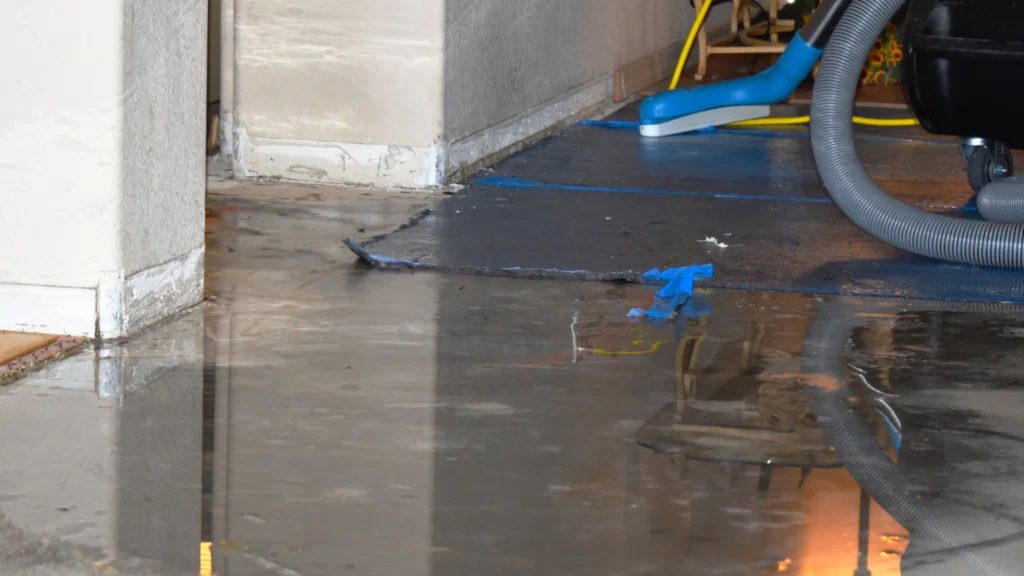
Water damage is often deceptive in nature. A small stain on the ceiling or a damp spot in the basement might seem like a minor inconvenience at first, but these signs can hide significant underlying issues that threaten the stability of your residence. If you live in an area like Commerce Township, where seasonal fluctuations in weather and high water tables can impact residential basements, finding prompt water damage restoration in Commerce Township is the most effective way to protect your long term investment. When moisture penetrates deep into your home, it shifts from a surface cleanup project to a structural emergency that requires specialized intervention.
Understanding the difference between superficial water damage and structural failure is critical for every homeowner. Structural damage occurs when water permeates the bones of your house, including wood joists, load-bearing walls, and your foundation. When the physical composition of these materials changes due to saturation, the house is no longer supported as it was designed to be.
If you suspect your home has been compromised by moisture that has moved behind your walls or under your floors, you should contact us to inspect the integrity of your property before minor issues develop into costly repairs that jeopardize the entire structure.
How Can You Tell If Water Damage Has Become Structural?
The clearest way to tell if water damage has become structural is to observe the reaction of building materials over time. When water sits in a space for more than 48 hours, it begins to alter the physical properties of the materials it contacts. Surfaces that should remain rigid will begin to yield, bulge, or crumble. This is a primary indicator that the moisture has moved beyond the finishings and into the structural framework.
Structural integrity is defined by the ability of building materials to carry the weight of the home and its occupants safely. When wood joists or floor studs are saturated, they lose their rigidity and strength. You might notice that your floors no longer feel level or that your doors are sticking in their frames. These are physical symptoms of structural shifts caused by unseen moisture.
Homeowners must pay attention to how materials respond to environmental stressors. Drywall, for example, acts like a sponge. Once it becomes soft to the touch, it is a clear sign that the water has reached the wall cavity. At this point, the insulation inside the walls is likely wet, which creates the perfect environment for mold colonization and material decay. Monitoring these changes helps you identify problems early, minimizing the need for extensive reconstruction.
Water Damage Restoration in Commerce Township: Key Warning Signs
If you are looking for professional water damage restoration in Commerce Township, you likely have observed some of these red flags. These signs indicate that your home requires immediate intervention from professionals who understand the specific geological and environmental factors in our region.
Visible Material Deformation
Materials like drywall and wood are inherently porous. When they absorb significant amounts of water, they expand and lose their structural integrity. Look for bowing in your drywall or ceilings that appear to sag under their own weight. This indicates that the water has traveled behind the walls and compromised the framing. If you see signs of bulging paint or wallpaper peeling away from the wall in sheets, the moisture is likely deep enough to have compromised the wall studs.
Changes in Flooring Levels
If your floors are cupping, crowning, or feeling soft underfoot, the subfloor is likely saturated. In homes near landmarks like Long Lake or Union Lake, humidity can exacerbate moisture trapped beneath flooring materials. If you notice localized soft spots or areas where the floor feels spongy, you should have the area assessed immediately. Soft subflooring often indicates that the joists beneath the floor have begun to rot, which requires a much more intensive repair process than simply replacing the surface flooring.
Mold Growth on Structural Surfaces
Mold is an opportunist that thrives on moisture. If you see mold growing on wood beams, baseboards, or near the foundation, it means the material has retained enough moisture to support biological growth. This is a clear indicator of structural water damage. Because mold roots itself deep into porous surfaces, simple surface cleaning is rarely sufficient. You must treat the underlying moisture source, or the mold will continue to return, eventually compromising the strength of the wood members it occupies.
Cracks in the Foundation
Structural water damage often manifests as vertical or diagonal cracks in your foundation walls. As water enters the soil around your home, it creates hydrostatic pressure. This pressure pushes against your foundation, forcing the material to crack. If you notice new, widening cracks in your basement or foundation walls, it is time to get in touch with experts who can evaluate the impact of this external pressure. Foundation cracks allow even more water to enter, creating a cycle that further weakens the home’s primary support system.
The Smell of Must or Mildew
A persistent musty odor that does not dissipate after cleaning is a primary sensory warning sign. This smell is typically caused by trapped moisture that has penetrated deep into wall cavities or crawl spaces. Even if you cannot see the damage, the smell confirms that organic materials in your home are decomposing. This odor often permeates furniture and clothing, signaling that the problem is systemic and not just localized to a single room.
Comparing Surface Damage and Structural Compromise
It is helpful to understand the progression of water damage to identify when it moves from a manageable issue to a structural risk. The following table illustrates the differences between these two stages.
| Feature | Surface Water Damage | Structural Water Damage |
| Affected Areas | Carpets, paint, drywall finish | Joists, subflooring, wall studs, foundation |
| Material State | Wet but firm | Soft, warped, rotting, or bowing |
| Sensory Cues | Mild dampness | Strong, persistent musty odor |
| Repair Complexity | Easy cleanup and drying | Requires reconstruction and mold remediation |
| Urgency | Moderate | Critical/Immediate |
Why Environmental Factors in Commerce Township Matter
Commerce Township is a unique area regarding water management. Residents near Dodge Park #5 or those living in older subdivisions near the Huron River corridor deal with specific moisture challenges throughout the year. High groundwater levels in the spring can lead to significant foundation moisture issues if your sump pump or drainage system is not operating correctly.
When your soil is constantly saturated, the moisture finds the path of least resistance into your basement. Over time, this does not just lead to wet carpet; it leads to weakened building materials that can no longer support the weight of your home. Ignoring these environmental triggers often results in expensive structural failure. Understanding the local topography is a key part of maintaining your home’s longevity and health.
The Dangers of Ignoring Structural Water Damage
Neglecting signs of water damage is a gamble that rarely pays off. When wood joists stay wet, they begin to lose their load-bearing capacity. This can cause floors to become uneven or doors and windows to stick, which are classic signs that your home is shifting due to structural compromise.
Beyond the physical danger to the home, structural water damage creates a breeding ground for pests and health hazards. Termites and carpenter ants are attracted to damp, rotting wood, which can lead to a secondary infestation that eats away at the framing. Furthermore, the air quality in your home will suffer as mold spores circulate through your HVAC system. Addressing these issues early saves you money, protects your family’s health, and maintains the resale value of your property.
Frequently Asked Questions
Is structural water damage covered by standard homeowners insurance?
Coverage depends entirely on the source of the water. Sudden and accidental damage, such as a burst pipe, is often covered by standard policies. Damage resulting from gradual seepage, high water tables, or long-term neglect is typically excluded. You should check your specific policy details for clauses related to water backups and flooding.
How quickly does structural water damage occur?
Structural water damage is a progressive process. While standing water can ruin drywall in hours, the structural integrity of wood framing can begin to deteriorate within 24 to 48 hours as moisture saturation sets in and mold colonies begin to colonize. The longer water sits, the higher the likelihood of irreversible damage.
Can wood framing dry out on its own?
While some moisture may evaporate, wood framing rarely dries out completely on its own once it has been fully saturated. Trapped moisture inside wall cavities or behind vapor barriers requires industrial-grade dehumidification and air movement to prevent long-term rot. Relying on passive evaporation often leads to hidden mold growth.
What causes foundation moisture issues in Michigan homes?
In Michigan, foundation issues are often caused by poor exterior drainage, such as downspouts that do not carry water far enough away from the home, or high water tables that increase hydrostatic pressure against your basement walls. Ensuring your gutters are clear and your yard is graded away from the foundation is essential.
How do I know if the mold in my house is structural?
If you can see mold on the surface of your studs, floor joists, or subflooring, it is considered structural. If the wood feels soft, crumbly, or leaves a depression when pressed with a screwdriver, the material has likely lost its structural integrity and needs to be replaced. Professional testing can confirm the extent of the infestation.
Securing Your Home’s Future
Recognizing the early warning signs of structural water damage is the best way to prevent extensive property loss. Whether it is sagging drywall, a persistent odor, or cracks in the foundation, these signs are your home’s way of asking for help.
If you suspect that moisture has moved beyond the surface, EZ Dry is here to assist. We specialize in comprehensive, professional, and reliable water damage restoration in Commerce Township, providing the expertise needed to stabilize your home and restore its integrity. Do not wait for small problems to grow into structural emergencies. Reach out to our local professionals today to restore the safety and comfort of your living space.