
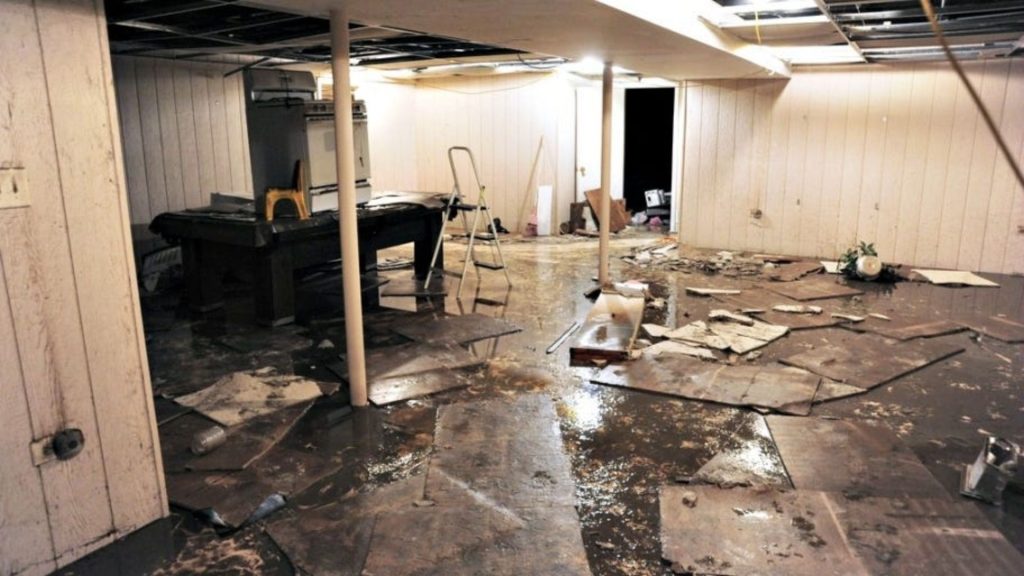
Homeowners must respond to water damage within the first 24 to 48 hours to prevent permanent structural decay and toxic mold growth. In the Great Lakes climate, humidity levels often accelerate the degradation of organic building materials like drywall and wood framing. Securing professional water damage repair in Commerce Township as soon as a leak is discovered is the most effective way to minimize restoration costs and preserve the safety of your property.
Timing is the most critical factor in any restoration project. Whether you are dealing with a localized pipe burst near the M-5 corridor or a significant basement flood following heavy rains near Commerce Lake, every minute the water sits allows it to travel deeper into your subfloors and wall cavities. Professional mitigation teams use specialized sensors to track this movement and begin the stabilization process before secondary damage occurs.
How long does it take for water damage to become permanent?
Water damage starts to become permanent within 24 to 48 hours if the moisture is not actively removed and the environment is not stabilized. During this window, porous materials like drywall, insulation, and carpeting absorb water through capillary action, leading to swelling, warping, and the breakdown of structural integrity. If professional drying equipment is not deployed within this timeframe, the risk of microbial growth increases to nearly 100 percent.
The progression of damage follows a predictable timeline that professional restorers use to prioritize tasks. Within the first hour, water spreads across floors and is absorbed into furniture and baseboards. By the 24 hour mark, drywall begins to sag, metal surfaces may start to tarnish, and a distinct musty odor often becomes noticeable as bacteria begin to multiply in the damp environment.
Once the 48 hour threshold is crossed, the situation transitions from simple water mitigation to a more complex mold remediation project. This delay often results in the need for invasive “flood cuts,” where large sections of your walls must be removed to reach trapped moisture. Acting quickly ensures that the restoration process remains focused on drying rather than demolition and replacement.
Why is prompt water damage repair in Commerce Township critical?
Prompt water damage repair in Commerce Township is essential because local environmental factors, such as high water tables near Union Lake and seasonal humidity, can worsen the impact of a flood. If standing water is left unaddressed, it creates a high-vapor-pressure environment that forces moisture into previously dry areas of the home, leading to peeling paint and warped cabinets even in rooms that were not directly flooded.
Professional intervention in the early stages allows for the use of advanced techniques like “in-place drying.” This method can often save expensive materials like solid hardwood or high-end carpeting without requiring full removal. However, this is only possible if the water is Category 1 (clean water) and the drying process begins before the materials begin to delaminate or rot.
| Time Elapsed | Damage Level | Typical Action Required |
| 0 to 4 Hours | Minor | Water extraction and surface drying |
| 24 to 48 Hours | Moderate | Structural drying, furniture protection, and sanitizing |
| 48 Hours to 1 Week | Severe | Mold remediation, drywall removal, and reconstruction |
| 1 Week Plus | Extreme | Full structural assessment and major hazardous waste removal |
Early response also protects your long-term property value. In neighborhoods near Proud Lake or the Huron Valley Schools district, home inspections during future sales will easily detect signs of poorly managed water events, such as foundation cracks or hidden mold. Documenting a professional response within the first day of an incident provides peace of mind and essential proof of proper maintenance for future buyers.
How does emergency water extraction in Commerce Township save your home?
The process of emergency water extraction Commerce Township technicians perform removes the vast majority of moisture from your home, which is significantly more efficient than evaporation alone. By using truck-mounted vacuum systems and submersible pumps, professionals can remove thousands of gallons of water in a fraction of the time it would take to dry manually. This rapid removal stops the “wicking” effect where water travels up the walls.
You can take the first step toward protecting your foundation and get your assessment today by reaching out to experts who understand the unique drainage challenges of Oakland County.
Once the standing water is gone, the focus shifts to moisture trapped inside materials. High-capacity extractors can pull water out of carpet padding and upholstery, often saving these items from the landfill. Without this industrial-strength suction, water remains trapped in the dense fibers of your home, providing a constant source of humidity that prevents the rest of the structure from reaching a “dry standard.”
What are the primary stages of fast flood cleanup services?
Effective fast flood cleanup services follow a rigorous four-stage process designed to stabilize the home and prevent secondary damage. The first stage is a comprehensive moisture map of the property using infrared cameras and moisture meters to find hidden pockets of water behind cabinets or under vanities. This ensures that no moisture is left behind to rot the structure from the inside out.
The second stage is the physical removal of water and contaminated materials. If the flood involves Category 3 water, such as a sewage backup or overflow from the street, porous materials must be removed immediately for health reasons. The third stage involves the setup of a “drying loop,” where air movers and LGR dehumidifiers work in tandem to pull moisture from the air and the building’s framing.
It is always a wise decision to schedule an inspection to ensure that your drying plan is specifically tailored to the materials in your home, from traditional plaster to modern drywall.
The final stage is monitoring and verification. Technicians return to the site daily to check moisture readings and adjust the equipment as the materials dry. This continues until the home reaches its pre-loss moisture content, ensuring that the environment is truly safe for reconstruction. Simply feeling the surface of a wall is not enough to confirm it is dry, as the internal studs may still be saturated.
When should you call for 24/7 water damage restoration?
You should call for 24/7 water damage restoration the moment you notice any sign of a leak, regardless of the time of day. Water does not stop moving just because it is after business hours, and a small drip at midnight can become a flooded basement by 6:00 AM. Local providers in the Commerce Township area are accustomed to emergency calls involving sump pump failures during spring storms or frozen pipes during Michigan winters.
Waiting until the next morning to call for help can lead to a significant increase in the total cost of the project. Insurance companies also expect homeowners to take immediate action to “mitigate the loss,” which means you have a policy obligation to call for professional help as soon as possible. Delaying the call could potentially lead to a claim denial if the adjuster determines that the damage was allowed to worsen due to negligence.
Before the team arrives, you can minimize damage by turning off the main water valve and safely moving small items out of the affected area. However, avoid walking through standing water if there is any risk of electrical shock or if the water appears contaminated with sewage. Safety should always be your priority while waiting for the emergency crew to arrive at your property.
What factors affect the speed of the drying process?
Several variables determine how long it takes to return your home to a dry state, including the volume of water, the type of materials involved, and the outdoor weather conditions. High-density materials like hardwood or concrete take significantly longer to dry than porous items like drywall or insulation. If your property is located near the humid environment of Commerce Lake or Lower Straits Lake, the ambient moisture in the air can also slow down the evaporation process.
The “Class” of water damage also plays a role in the timeline. A Class 1 loss, which affects only a small area of a room with low-evaporation materials, might dry in three days. A Class 4 loss, involving water bound within materials like stone, brick, or deep wood, requires specialized equipment and can take a week or longer to fully stabilize.
Homeowners are encouraged to contact our professional team to help navigate these complexities and ensure the fastest possible drying time for their specific situation.
Professional technicians manage these factors by controlling the temperature and airflow within the affected area. By increasing the temperature, they can encourage water to move from a liquid state to a vapor state more quickly. At the same time, large dehumidifiers remove that vapor from the air so it cannot be reabsorbed by the structure. This balanced approach is the only way to achieve rapid, thorough drying.
How to handle insurance water damage claims Michigan residents often face
Successfully navigating insurance water damage claims Michigan residents often file depends on thorough documentation and immediate action. Most standard policies cover “sudden and accidental” damage, but they require the homeowner to prove that they acted quickly to stop the leak and dry the structure. This is why having a professional restoration company on-site from the beginning is so beneficial.
Your restoration contractor will take photos of the source of the loss, the standing water, and the moisture readings of the affected materials. These records are vital when the insurance adjuster arrives to evaluate the claim. Having a detailed “dry log” that shows the daily progress of the mitigation work provides the evidence needed to ensure that all necessary services are covered by your policy.
It is also important to distinguish between standard water damage and flood insurance. If water enters your home from the ground up, such as from the banks of the Huron River or localized street flooding, it may require a separate flood policy. A local expert who understands Michigan insurance trends can help you identify which parts of your restoration are likely to be covered and how to maximize your claim benefits.
Comparison of Water Damage Categories
Understanding the type of water in your home is vital for safety and determines which materials can be saved and which must be discarded.
| Water Category | Common Sources | Health Risk | Action Required |
| Category 1 (Clean) | Supply lines, faucets, falling rainwater | Low | Extraction and drying; most materials savable |
| Category 2 (Grey) | Dishwashers, washing machines, sump pumps | Moderate | Sanitization required; padding usually discarded |
| Category 3 (Black) | Sewage, river water, standing water (48+ hrs) | High | Hazardous waste protocols; porous materials removed |
The science of psychrometrics in water restoration
Professional water damage repair in Commerce Township relies on the science of psychrometrics, which is the study of the thermodynamic properties of moist air. Restoration experts use this science to create the perfect environment for evaporation. By manipulating the “triple threat” of air movement, temperature, and dehumidification, they can pull moisture out of the most stubborn structural materials.
If the air in the room is already saturated with moisture, evaporation stops. This is why standard household fans are ineffective for serious water events. They move the air, but they do not remove the moisture. Professional LGR (Low Grain Refrigerant) dehumidifiers are designed to work in very low humidity environments, allowing them to continue pulling moisture from the air even as the home nears its final dry standard.
Technicians also monitor “vapor pressure,” which is the force exerted by water molecules as they try to move from a wet area to a dry area. By keeping the air extremely dry, they create a high vapor pressure differential that literally pulls the water out of your wooden studs and subfloors. This scientific approach is what separates professional restoration from a DIY cleanup effort.
How to identify hidden water damage after a leak
Not all water damage is visible to the naked eye, especially in newer homes in the Commerce Village area where multi-layered flooring and modern insulation can hide moisture for weeks. Hidden water often accumulates in the “toe kicks” under kitchen cabinets or behind the baseboards of a finished basement. If left alone, this moisture will eventually lead to structural rot and persistent odors.
Thermal imaging cameras are the most effective tool for finding these hidden pockets. These cameras detect temperature differences on the surface of your walls. Because wet areas are typically cooler than dry areas due to evaporation, the camera can reveal the exact path the water took behind the drywall. This allows technicians to target their drying efforts precisely, reducing the need for unnecessary demolition.
Acoustic moisture sensors and invasive moisture probes are also used to check the saturation levels of subfloors. In many cases, the carpet may feel dry to the touch, but the padding and the wooden subfloor beneath it are still completely saturated. Identifying these hidden issues early is the only way to ensure that your home is truly safe and that mold will not surprise you months down the road.
FAQs about Water Damage in Commerce Township
How long do I have to call a professional after a flood?
You should call a professional immediately. Ideally, mitigation should begin within the first 2 to 4 hours to prevent the water from spreading into inaccessible areas. Waiting more than 24 hours significantly increases the likelihood of permanent damage and mold growth.
Can I dry out my basement myself?
While you can mop up standing water, household tools are rarely sufficient to dry the structural components of a Michigan basement. Without industrial dehumidifiers and air movers, moisture will remain trapped in the concrete and wall cavities, leading to long-term structural issues and musty odors.
Will my insurance cover the cost of restoration?
Most homeowners insurance policies cover water damage if it is sudden and accidental, such as a burst pipe or appliance failure. However, damage caused by long-term neglect or standard groundwater flooding may require specific riders or separate policies. Always check your individual policy details with your agent.
Does the sound of industrial fans mean the house is drying?
The sound indicates that air is moving, but it does not guarantee the materials are reaching the necessary dry standard. Professionals must use moisture meters to verify that the internal moisture content of the wood and drywall is returning to normal levels before the equipment can be removed.
What is the most common cause of water damage in Commerce Township?
In this area, sump pump failures during heavy spring rains and frozen pipes during winter months are the leading causes of residential water damage. Many local homes also experience issues related to aging water heaters or faulty supply lines in kitchens and laundry rooms.
Conclusion
The speed of your response is the determining factor in whether a water leak is a minor inconvenience or a major financial disaster. From the lakefront properties near Middle Straits Lake to the busy business districts along Haggerty Road, homeowners must prioritize immediate action to protect their investments. By understanding the timeline of damage and the necessity of professional intervention, you can navigate even the most severe flood event with confidence.
Successful water damage repair in Commerce Township requires a combination of rapid extraction, scientific drying methods, and meticulous documentation for insurance purposes. Taking the right steps in the first 24 hours will ensure that your home remains structurally sound and free from the health risks associated with hidden mold and bacteria.
EZ DRY is a trusted local service provider dedicated to helping our neighbors through these difficult situations. As a solution to the problems discussed above, our team provides the rapid response and technical expertise needed to restore your home to its original condition. For reliable water damage restoration, we are here to help you navigate every step of the recovery process.